Moore signs Maryland energy bill aimed at cutting power costs
by Christine Condon, Maryland Matters
May 12, 2026
Gov. Wes Moore (D) signed the Utility RELIEF Act into law Tuesday, ushering in a series of changes to the state’s energy markets that officials hope will lower customers’ electric bills in the months and years to come.
“The bipartisan Utility RELIEF Act speeds up new energy generation, it invests in local clean energy and it stops big corporations from shifting their costs onto taxpayers,” Moore said of the emergency legislation.
The wide-ranging law takes effect immediately, but many of the bill savings will play out over time.
Some savings won’t be realized until the start of 2027. Others might not be come until the next time utilities go before regulators to ask for a rate increase, and must follow new policies set by the General Assembly.
But some effects are already visible. One day after the legislative session ended, Pepco altered a proposed rate increase, citing the anticipated law change that temporarily prohibits the use of forecasted spending rather than actual spending by utilities to justify rate increases. The change reduced Pepco’s increase by $8.6 million, according to the Maryland Office of People’s Counsel.
The RELIEF Act places a one-year moratorium on forecasted spending, a compromise between the House that wanted to ban forecasting altogether, and the Senate which only wanted regulators to study the issue more closely. They met in between, pausing the practice while the Maryland Public Service Commission analyzes it.
“I’m really proud that one of the provisions that I was really pretty firm on, and everyone agreed — it pauses speculative forecasting, where utilities set rates using anticipated rather than actual cost, for one year,” said House Speaker Joseline Peña-Melnyk (D-Prince George’s and Anne Arundel). “This has already had an impact.”
The RELIEF Act is the second expansive energy bill passed by lawmakers in the last two years with the goal of reducing Marylanders’ soaring rates.
Last year’s legislation sent ratepayers a direct rebate on their bills, and focused mainly on speeding permitting for new energy projects. But this year, with rates continuing to climb and elections looming, the urgency was even more palpable. And lawmakers ended up taking a more aggressive tack with the utilities.
The law set new requirements on utility companies, restricting the amount of ratepayer dollars that they can use for supervisors’ salaries, placing new scrutiny on some of their transmission line projects and more.
Peña-Melnyk said Tuesday that leaders in the General Assembly determined that they would not leave Annapolis with a bill that was “just ceremonial.”
“I was not interested in that at all,” she said.
Lawmakers also aimed to provide quick, but sustained, relief this year by cutting the EmPOWER Maryland energy efficiency program, rather than sending a bill refund to Maryland households.
As of now, the average household pays $15 to $20 per month for the program, which offers homeowners rebates for improving their home insulation and HVAC systems, or making other upgrades that reduce energy use, and therefore decrease the need for more energy infrastructure.
To lower the surcharge, lawmakers considerably reduced the size of the program from 2027 to 2029, after which it will gradually increase back to its current scope. But they also tossed $100 million previously collected from ratepayers at the EmPOWER program, lowering the surcharge sooner. That change came in the fiscal 2027 budget, which takes effect in July.
YOU MAKE OUR WORK POSSIBLE.
“That was not an easy decision to make to this very important program that we have, and has been in place for a number of years to reduce demand,” said Sen. Shelly Hettleman (D-Baltimore County) during an energy-focused news conference Monday.
The decision to slice EmPOWER was controversial. Environmental groups and home improvement contractors pushed back, calling the changes short-sighted.
The American Council for an Energy-Efficient Economy, a nonprofit research group focused on reducing energy waste, predicted that the changes to Maryland’s program would increase customers’ bills in the long run. Though it would save customers about $640 million on their bills over the three-year period, it would add $1.2 billion in infrastructure costs over the next decade, according to the March 2026 analysis.
To Republican lawmakers, who are heavily outnumbered in the General Assembly, the Democrats’ decision to walk back the EmPOWER program was an admission of guilt.
“This bill is essentially Democrats admitting Republicans were right about the consequences of the energy policies they spent years putting in place,” said Senate Minority Whip Justin Ready (R-Carroll and Frederick) in a news release Tuesday. “Republicans warned that aggressive mandates and layered regulations would drive up rates and hurt reliability, and now Maryland families are paying the price.”
Republicans have also attacked Democrats over the projected savings from the legislation, expected to be about $150a year per customer from the EmPOWER cuts alone.
“Democrats are holding a victory lap over a bill they admit will save Marylanders a measly $12 a month while families have seen their utility bills increase by hundreds of dollars over the last few years,” Senate Minority Leader Steve Hershey (R-Upper Shore) said in the news release.
Ultimately, Democrats say they expect the savings to be more substantial, particularly for low-income Marylanders. They allocated $37 million in the budget to a new program from the Maryland Public Service Commission, which will limit electric bills to 6% of income for low-income ratepayers. Because of the funding, other ratepayers won’t need to pick up the tab, at least initially.
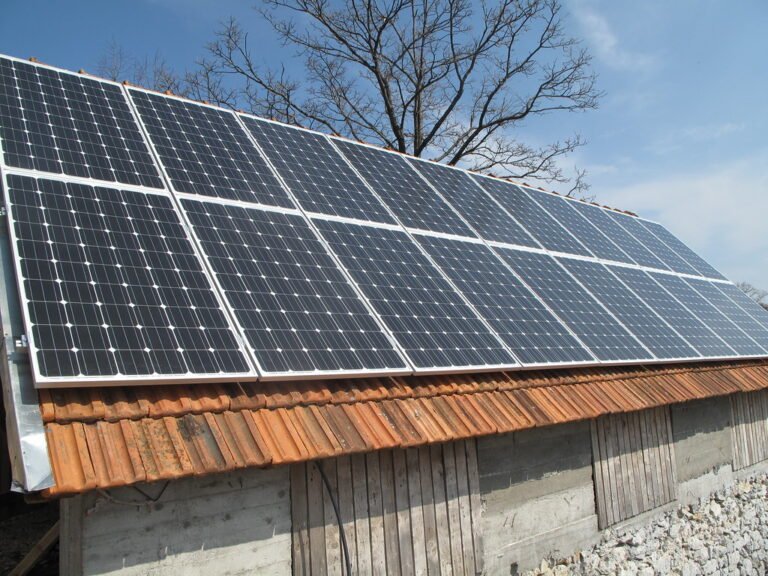
Maryland Democrats hope their efforts to bolster renewable energy projects will also eventually reduce bills, by increasing energy supply amid a period of high demand, caused largely by AI data centers. Under the law, a new auction process at the state level will allocate funds to solar energy projects.
The Utility RELIEF Act also made a number of changes to data center policies in Maryland, requiring a broader group of data centers to pay a special tariff meant to account for the infrastructure costs they impose on the grid. It also sets up a tiered system to reward data centers that compensate for their immense power demands, including by sponsoring power facilities.
“Here in Maryland, we’re leading the way on data center policy,” said Maryland Sen. Katie Fry Hester (D-Howard and Montgomery), during a Monday news conference in Baltimore.
Maryland Matters is part of States Newsroom, a nonprofit news network supported by grants and a coalition of donors as a 501c(3) public charity. Maryland Matters maintains editorial independence. Contact Editor Steve Crane for questions: editor@marylandmatters.org.
Democrats tout the bill as a win for low-income ratepayers, capping bills at 6% of income for struggling families. Republicans call it a “victory lap” over pennies while bills have climbed by hundreds of dollars. Environmental groups warn that cutting efficiency now will add $1.2 billion in infrastructure costs later. For households already choosing between groceries and electricity, the promise of relief can’t come soon enough.
About the Author