Scalpa boss faces 4 to 8 years in prison after marketing dangerous hyaluronic pens and unregulated botulinum toxin as ‘not subject to FDA oversight’
SCOTTSDALE, Ariz. / CHARLOTTESVILLE, Va. — A skincare company CEO who fled to Colombia to avoid federal prosecution was apprehended by U.S. marshals and brought back to face justice, pleading guilty Tuesday to charges that he illegally marketed unapproved injectable devices and a counterfeit botulinum toxin product that posed serious health risks to consumers.
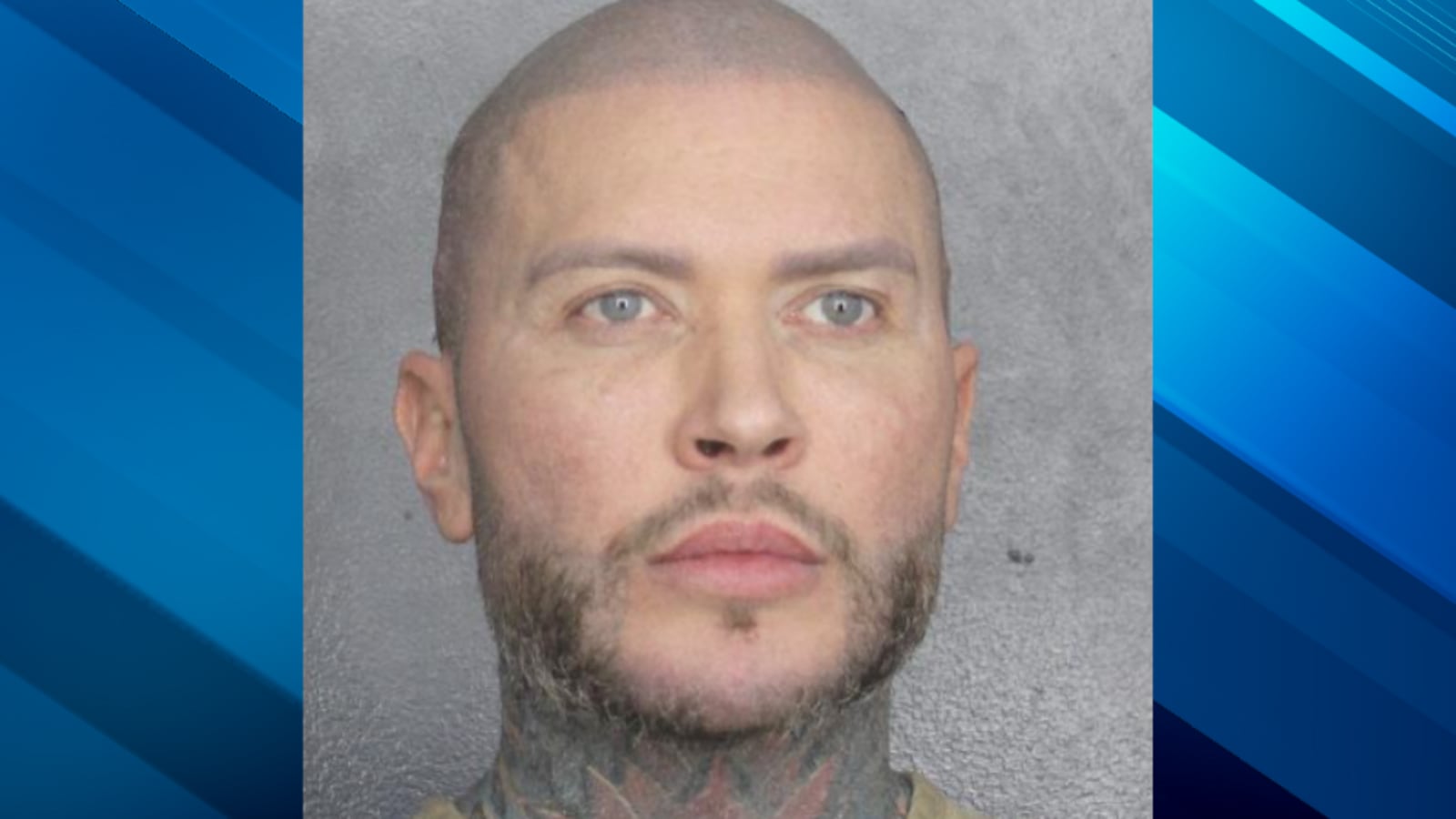
Bryce Cleveland, 42, of Scottsdale, Arizona, the president and CEO of Scalpa, Inc., entered guilty pleas to mail fraud, introduction of an adulterated device into interstate commerce, and introduction of an unapproved new drug into interstate commerce. The former fugitive now faces a agreed-upon prison term of between four and eight years, along with full restitution and $800,000 in forfeiture.
Bryce Cleveland, a self-described entrepreneur, dealmaker, “spiritual gangster,” author, investor, and philanthropist, says he left school in the ninth grade and built his career through business. According to Michael Peres of Thrive Global, Cleveland launched his venture roughly a decade ago under the name Scalp Aesthetics.
The company claimed to offer scalp micropigmentation services, professional training for aspiring micropigmentation specialists, and products intended to help beauty entrepreneurs establish and grow their own businesses.
According to court documents, from March 2018 through December 2020, Cleveland orchestrated a fraudulent scheme to enrich himself by marketing and delivering unapproved devices—including the ScalpaJECT Hyaluronic Acid and the Hyaluron Pen—while falsely telling consumers the devices were not subject to FDA regulation. He also introduced and sold an unapproved botulinum toxin product called “Scalpatox,” the company’s unlicensed version of the popular wrinkle treatment, without any FDA approval or oversight.
The case took a dramatic turn when Cleveland fled the country after a federal indictment was returned against him in July 2024. He was apprehended late last year in Colombia and removed back to the United States, where he was arrested on an outstanding federal warrant by the U.S. Marshals Service.
Federal prosecutors stressed that the unapproved injectable products are especially dangerous from a public health perspective. “Injectable drug products can pose risks of serious harm to users,” the indictment noted. Such products are delivered directly into the body, sometimes directly into the bloodstream, bypassing key defenses against toxins and microorganisms that can lead to serious and life-threatening conditions.
In November 2025, the FDA issued a public warning to website operators illegally marketing unapproved and misbranded botulinum toxin products, noting that the agency is aware of adverse events associated with such products, including botulism symptoms. Cleveland’s Scalpatox fell squarely into that category.
According to the FDA, “Botulinum toxin products are injectable drugs that block nerve activity in muscles, temporarily reducing muscle movement. They are used for cosmetic purposes like reducing facial wrinkles as well as to treat medical conditions such as chronic migraines and muscle stiffness.”
“Unapproved and misbranded Botox products carry serious health risks. Today we’re taking action to protect American consumers and prevent online entities from selling these dangerous products,” said FDA Commissioner Marty Makary, M.D., M.P.H.
“FDA-approved botulinum toxin products carry a boxed warning, the agency’s most serious warning, indicating the drug carries a significant risk of serious or life-threatening side effects. The boxed warning indicates the product may cause symptoms of botulism, which attacks the body’s nerves and causes muscle weakness that can lead to difficulty breathing and even death.”
“Consumers who used these products were essentially injecting unregulated, untested substances into their bodies without any guarantee of safety or efficacy,” investigators said. The scheme exploited a loophole claim that the devices were not subject to FDA rules, allowing Cleveland to skirt the rigorous approval process required for medical devices and drugs.









About the Author