StubHub to Pay $10 Million for Hiding Ticket Fees From Consumers in Violation of New FTC Rule
WASHINGTON — StubHub, the nation’s largest ticket exchange and resale platform, will pay $10 million to settle federal charges that it deceptively advertised ticket prices without clearly disclosing mandatory fees — violating a new FTC rule designed to ensure price transparency for live-event tickets.
The settlement follows a warning letter the FTC sent to StubHub in May 2025, just days after the agency’s Fee Rule took effect, stating that multiple prices displayed on the company’s website appeared to violate the regulation.
Under the Fee Rule, which became law on May 12, 2025, it is an unfair and deceptive practice for any business to offer, display, or advertise the price of a live-event ticket without clearly, conspicuously, and most prominently disclosing the total price — defined as “the maximum total of all fees or charges a consumer must pay.”
“The Commission’s Fees Rule makes it very clear that the total price of live-event tickets must be disclosed up-front to enable consumers to make fully informed purchasing decisions,” said Christopher Mufarrige, Director of the FTC’s Bureau of Consumer Protection. “Price transparency is essential to a free and competitive marketplace. Today’s settlement underscores the Commission’s commitment to ensuring that consumers pay the price they are promised.”
According to the FTC’s complaint, in mid-May 2025 — immediately after the rule went into effect — StubHub advertised ticket prices without disclosing the full price consumers would actually pay. The company failed to include mandatory fees and failed to disclose the total price everywhere it displayed prices on its website.
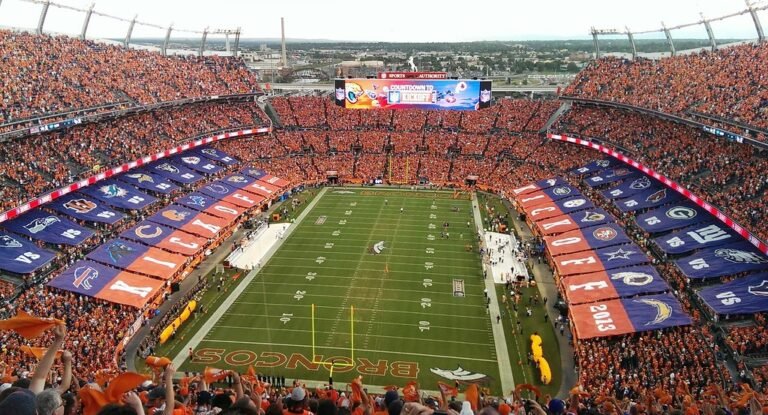
The FTC specifically alleges that StubHub violated the rule when advertising high-demand National Football League tickets in the lead-up to the NFL schedule announcement on May 14, 2025. On the initial two pricing displays, the advertised price in numerous instances did not include all mandatory fees, and StubHub did not disclose the total price. On the third pricing display, the company listed multiple fees and charges but still failed to disclose the total price.
Today’s action follows the Administration’s recent Executive Order on Ticketing, which includes a directive for the FTC to “take appropriate action to ensure price transparency at all stages of the ticket-purchase process, including the secondary ticketing market.”
Under the proposed settlement order, StubHub must pay $10 million, which will be used to provide monetary relief to eligible consumers through a settlement and consumer redress distribution program.
The order also prohibits StubHub from:
- Offering, displaying, or advertising any price without clearly and conspicuously disclosing the total price;
- Failing to disclose the total price more prominently than any other pricing information;
- Failing to clearly disclose the amount of any excluded fees and what they are for, as well as the final payment amount before the consumer agrees to pay;
- Misrepresenting the total price, any fee or charge, the final payment amount, or any material fact related to refunds or cancellations; and
- Violating the Commission’s Fees Rule.
Within 90 days, StubHub must provide redress to two groups of eligible consumers who bought tickets for live events in the United States between May 12 and May 14, 2025. The first group includes consumers whose total ticket price was not disclosed on the initial pricing display. The second group includes all other consumers who bought tickets during that three-day period.
Air AI Banned from Selling Business Opportunities for Bilking Small Businesses with False Earnings Promises
WASHINGTON — Air AI and its owners have been permanently banned from marketing any business opportunities as part of a settlement with the Federal Trade Commission over allegations that the company deceived entrepreneurs and small business owners with false claims about earnings potential, business growth, and refund guarantees — leaving some victims in debt with losses up to $250,000.
The FTC’s August 2025 complaint against Air AI Technologies, five related companies, and owners Caleb Maddix, Ryan O’Donnell, and Thomas Lancer alleged that since at least February 2023, the company had engaged in a pattern of deceptive marketing targeting small business owners.
“Companies that market AI-related tools with false promises of unrealistic investment returns and guaranteed refunds harm hardworking small business owners and undermine legitimate business’s adoption of AI,” said FTC Bureau of Consumer Protection Director Christopher Mufarrige. “The FTC is focused on ensuring the promise of new technology isn’t misused as a means to mislead consumers.”
According to the complaint, Air AI and its operators marketed business coaching materials and support services, a suite of services called an “Air AI Access Card,” and licenses to resell their services. The company’s flagship feature was touted as “conversational AI” that could replace human customer service representatives and, combined with other services, generate significant profits for business owners.
The FTC alleged that Air AI made claims that consumers would earn back tens of thousands of dollars within days or months, and that some customers could make millions of dollars using the services. In reality, the agency said, consumers often did not earn the promised profits — or even recoup the money they paid to Air AI.
The complaint detailed several specific violations, including:
- Falsely claiming that people who purchase their services will or are likely to make substantial earnings;
- Falsely claiming that purchasers are protected by a refund or buy-back guarantee;
- Misrepresenting the performance, efficacy, and central characteristics of their services, their refund policies, and the earnings potential of their products;
- Failing to provide consumers with required disclosure documents and earnings claims statements; and
- Failing to provide refunds when consumers met the refund policy requirements.
The FTC alleged that Air AI and its owners deceived consumers by promising full refunds to customers who did not earn a certain amount — typically twice or three times their investment within a specified number of months — or who were unsatisfied for any other reason. But when consumers asked for refunds, the defendants rarely honored their guarantee, often delaying and leaving customers in the dark before cutting off communication entirely.
Under the proposed settlement order, Air AI faces a monetary judgment of $18 million. That amount will be largely suspended based on the company’s and operators’ inability to pay the full amount. Instead, the operators must pay $50,000 to the FTC for consumer relief.
The order permanently bans Air AI and its operators from:
- Selling or marketing any business opportunity;
- Making false claims or misrepresentations while telemarketing or otherwise violating the Telemarketing Sales Rule;
- Making false claims or misrepresentations while selling any goods and services; and
- Making earnings claims without adequate substantiation or disclosure.
The FTC originally filed its complaint in the U.S. District Court for the District of Arizona against Air AI Technologies, Inc. (also doing business as Air AI, Air.AI, and Scale 13), Apex Holdings Group LLC, Apex Scaling LLC, Apex 4 Kids LLC, New Life Capital LLC, Onyx Capital LLC, and owners Caleb Matthew Maddix, Ryan Paul O’Donnell, and Thomas Matthew Lancer.
About the Author