Washington D.C. — In a dramatic escalation of President Trump’s mass deportation agenda, Immigration and Customs Enforcement has detained more than 10,000 individuals in just five days, nearly doubling daily arrest rates as the administration shifts to a lower-profile but more aggressive enforcement strategy.
According to internal documents obtained by The New York Times and interviews with federal officials, agency leaders have ordered ICE supervisors to direct 80% of officers toward arrest operations and maintain seven-day workweeks, signaling an urgent push to meet White House demands for increased deportations. The daily arrest target has reportedly been set at 2,000, a figure the agency reached and exceeded on Saturday with over 2,400 detentions.
The surge marks a strategic pivot from the highly publicized operations of last year, which targeted major cities including Chicago and Los Angeles. Homeland Security Secretary Markwayne Mullin has championed a quieter enforcement approach following the controversial monthlong operation in Minnesota, where federal officers fatally shot two U.S. citizens. The current campaign has unfolded without advance notice, catching immigrant communities off guard and generating widespread fear.
‘2,000 Arrests a Day Is the New Standard’
Three federal officials with knowledge of internal conversations confirmed that top ICE officials were explicitly told the White House demanded increased arrest numbers. One official noted uncertainty about how long the current pace could be sustained but emphasized that 2,000 daily arrests now represents the baseline expectation.
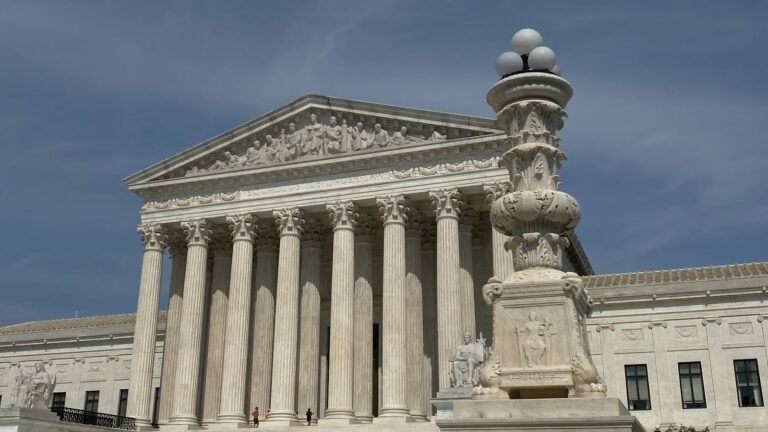
The enforcement push follows the Supreme Court’s recent expansion of presidential authority over federal immigration policy, though the Court simultaneously dealt the administration a setback by blocking the president’s attempt to eliminate birthright citizenship for children of undocumented immigrants.
ICE detention facilities have seen their population surge by nearly 4,000, reaching over 63,000 individuals in custody as of Tuesday. The agency has significantly expanded its capacity, hiring thousands of new officers and receiving billions in additional funding since Stephen Miller, the president’s deputy chief of staff, set an initial target of 3,000 daily arrests last year.
Administration Defends Aggressive Tactics
“Our message is clear: If you come to our country illegally, we will find you, we will arrest you and we will deport you,” declared Lauren Bis, Department of Homeland Security spokeswoman.
Marcos Charles, head of ICE’s deportation division, praised personnel in internal communications, writing: “I want to personally thank each of you for your extraordinary efforts this past weekend. Through your dedication, professionalism, and unwavering commitment to our mission, enforcement and removal operations achieved remarkable operational results.”
Growing Fear in Immigrant Communities & Political Implications
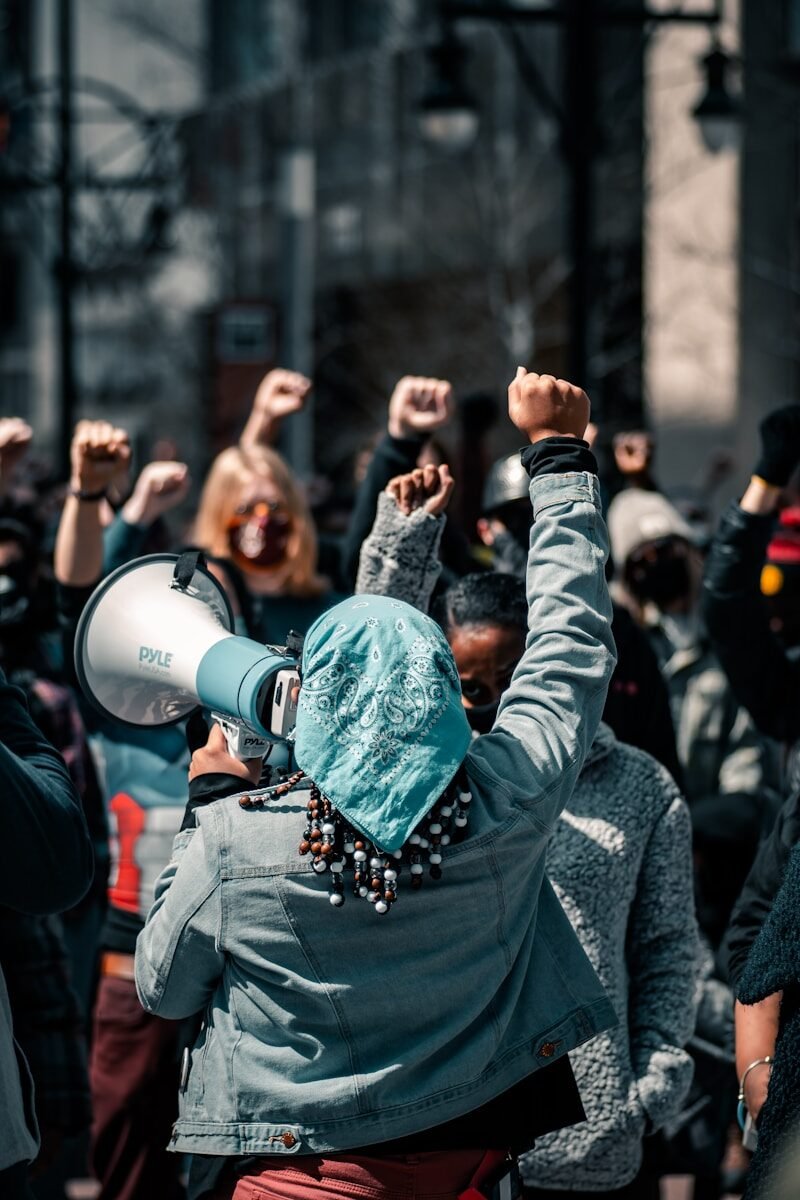
The enforcement surge has generated immediate repercussions across the nation. Immigration attorneys report clients being arrested during routine check-ins, traffic stops, and even while commuting to work or worship.
In South Texas, Sister Letty Ugboaja, a Nigerian nun working as a nurse, was detained Sunday morning on her way to church before being released following intervention from congressional officials. Sister Norma Pimentel described her colleague as “distraught” and crying upon release.
In Miami, attorney Cindy Blandon reported that a Nicaraguan father of two with a scheduled 2027 court hearing was arrested during a routine check-in. In Utah, a man was detained for overstaying his visa while driving, prompting attorney Ysabel Lonazco to observe: “People don’t want to leave their houses. They are afraid to drive to do their grocery shopping. They are just terrified with these detentions.”
The aggressive enforcement campaign fulfills a core Trump campaign promise that energizes his conservative base while simultaneously courting political backlash over heavy-handed tactics. The administration’s approach has drawn particular scrutiny following Supreme Court rulings that both expanded presidential immigration authority and constrained efforts to end birthright citizenship.
For families now caught in the enforcement net, the consequences are immediate and severe. As the administration continues its push for mass deportations, immigrant communities nationwide brace for what appears to be an intensifying enforcement campaign—one that has already reshaped daily life for millions of undocumented residents and their families.
About the Author