

Company positions new device as bridge between limited AI glasses and bulky headsets
LOS ANGELES — Snap Inc. today officially entered the augmented reality hardware market with the announcement of SPECS, a standalone wearable computer built into see-through glasses that the company says represents a new category of computing device.

The glasses, available for pre-order at $2,195 with a $200 refundable deposit, are scheduled to ship this fall in the United States, United Kingdom, and France. The 47 mm model weighs 132 grams, while the 52 mm version weighs 136 grams, making them significantly lighter than existing mixed reality headsets.
“SPECS are the beginning of a new era in computing,” said Evan Spiegel, co-founder and CEO of Snap Inc., in a statement. “For decades, computers have asked us to look down, sit still, or step out of the moment. SPECS bring computing into the world around us where we live, work, learn, create, and connect.”
The device features Snap’s proprietary liquid crystal on silicon display with a 51-degree field of view and 16 million colors, which the company says is equivalent to a 24-inch desktop display for work or a 115-inch home cinema screen placed about 10 feet away. Electrochromic lenses, inspired by technology found in Boeing 787 Dreamliner windows, shift from clear to tinted in 10 seconds.
Powered by two Snapdragon processors — one dedicated to computer vision and one for running Lenses — SPECS deliver 7-millisecond motion-to-photon latency, verified by robotic measurement systems, helping digital content feel anchored in the real world.
The company has filed more than 7,000 patents across the augmented reality stack, including developer tools, a proprietary operating system, displays, optics, and computer vision. Over the past year and a half, Snap has shipped 10 Snap OS updates with more than 40 new features and APIs, with developers already publishing hundreds of Lenses for SPECS.
Battery life is rated at up to 4 hours of mixed use, including audio and video playback, Lenses, AI assistance, and Bluetooth notifications. The included charging case provides four additional charges, delivering up to 20 total hours.
Snap also announced new developer tools including agentic development capabilities in Lens Studio, a Spatial Benchmark for evaluating AI model performance, a Migration Agent for porting existing projects, and a Native Development Kit allowing developers to bring their own code into Lens Studio.

“With SPECS, AI is not intelligence trapped in a chat box,” Spiegel said. “It is intelligence that can see what you see, understand what you’re trying to do, and help you in the moment.”
The company emphasized a privacy-first approach, noting that SPECS ask clearly before accessing sensitive information, include an LED light that glows when recording, prioritize on-device data processing, and give users control over data storage and sharing.
“SPECS only work if people trust them,” Spiegel said. “Privacy has to be built in from the very beginning.”
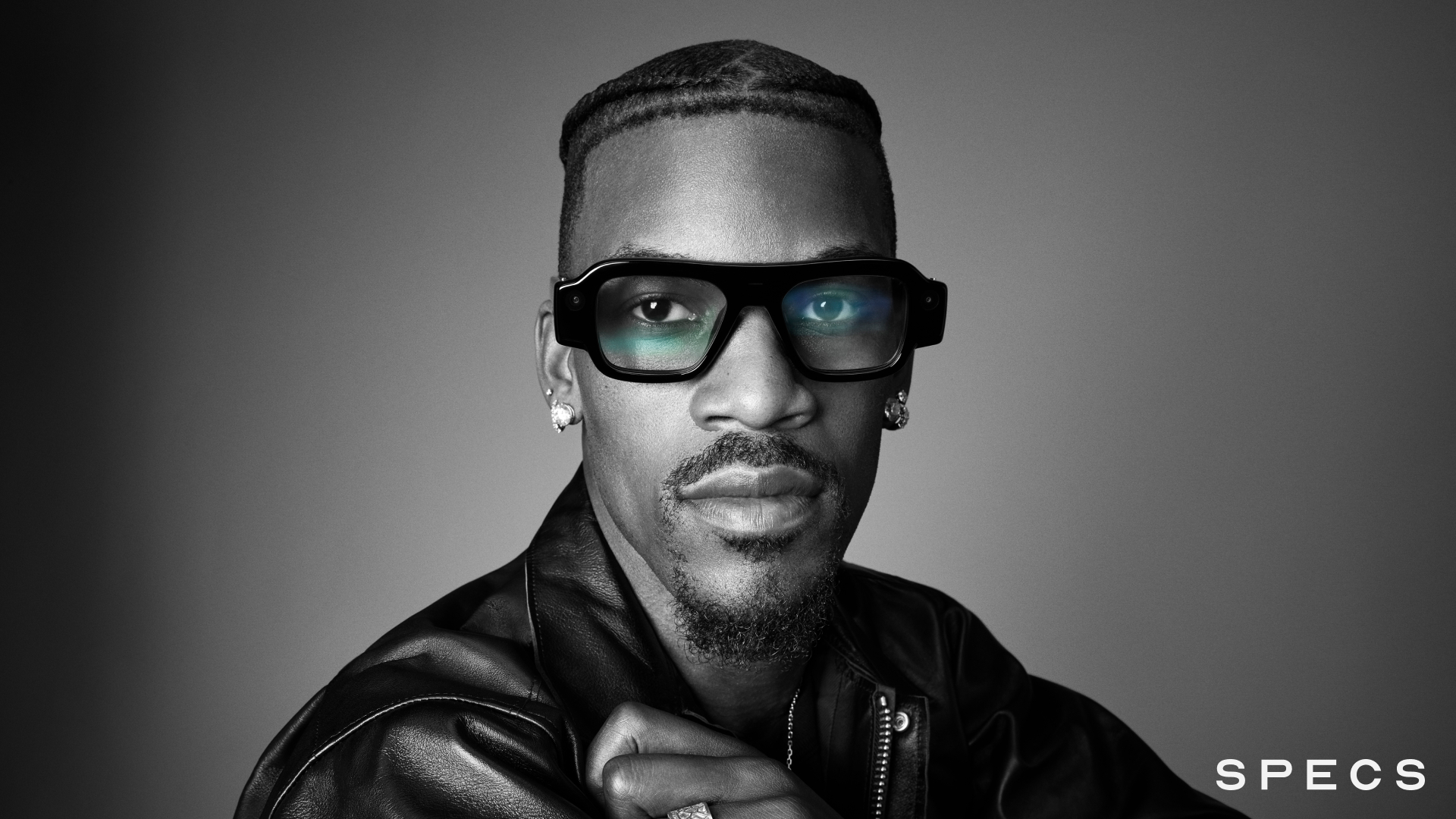
A global campaign shot by photographer Steven Meisel features creative visionaries including Jimmy Butler, Imogen Heap, Hoyeon, Jack Harlow, and Kaia Gerber, who have been working with Snap to develop SPECS experiences debuting this fall.
“The smartphone put our lives in our pockets,” Spiegel said. “SPECS put computing into the world, where life actually happens.”
About the Author




1 thought on “Snap Inc. pushes SPECS Augmented Reality Glasses, Entering Wearable Computing Market at $2,195”