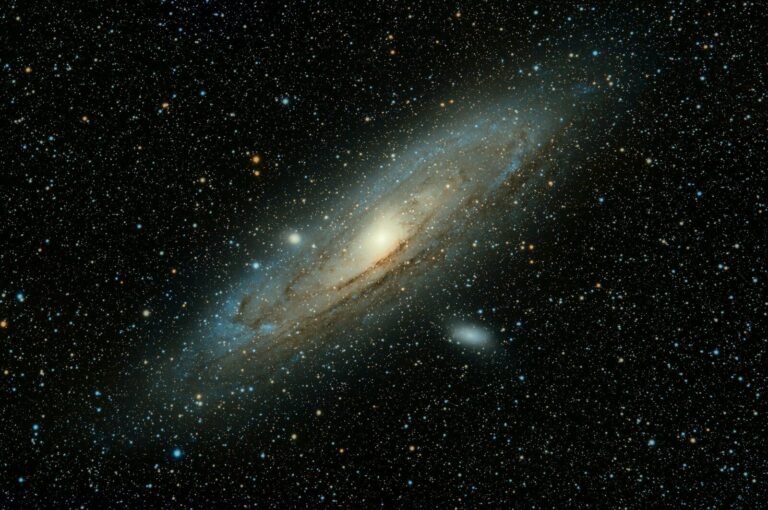
Study of 70 hot stellar remnants suggests galactic bulge formed rapidly less than 2 billion years after initial star birth
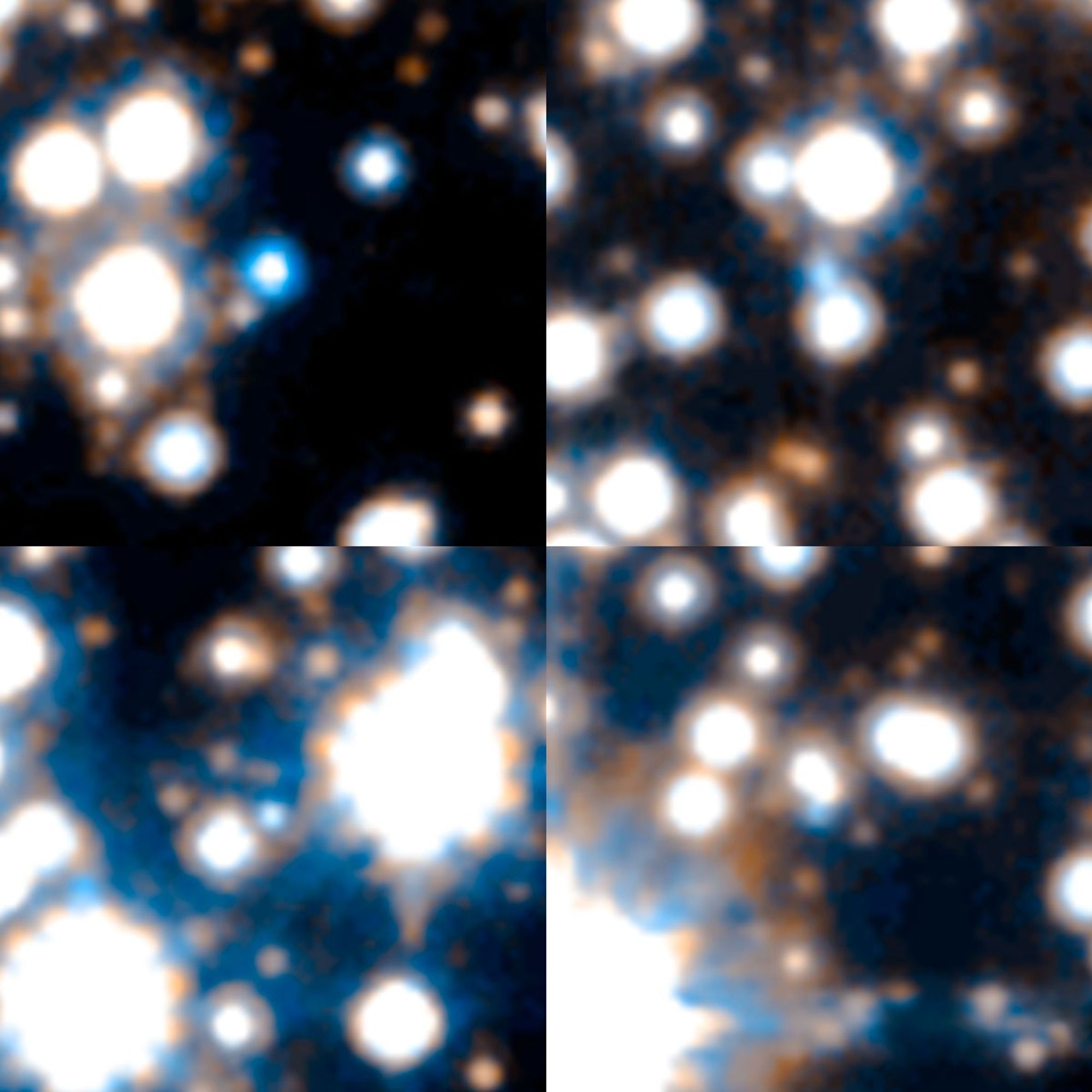
Astronomers have identified a population of ancient white dwarf stars deep within the Milky Way’s central bulge using NASA’s Hubble Space Telescope, offering a direct look at the galaxy’s early formation history. The findings, published in the Sept. 1, 2015 issue of The Astrophysical Journal, provide observational evidence that the galaxy’s core formed before its surrounding disk.
The analysis supports a formation model in which the bulge’s stars were born rapidly, within less than roughly 2 billion years, followed by the slower development of the sprawling disk of second- and third-generation stars that now encircles the central structure.
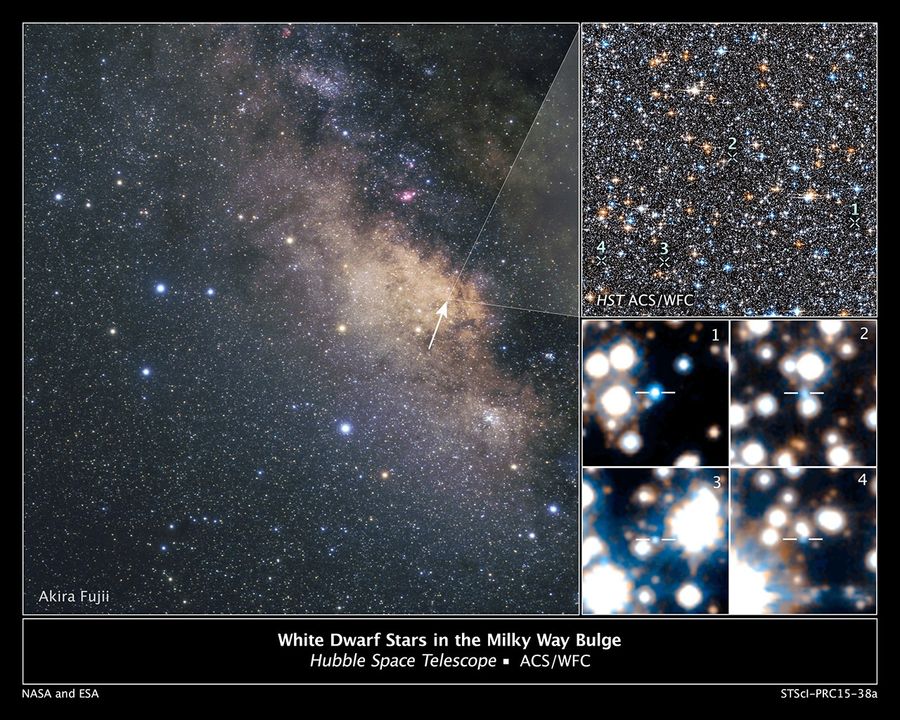
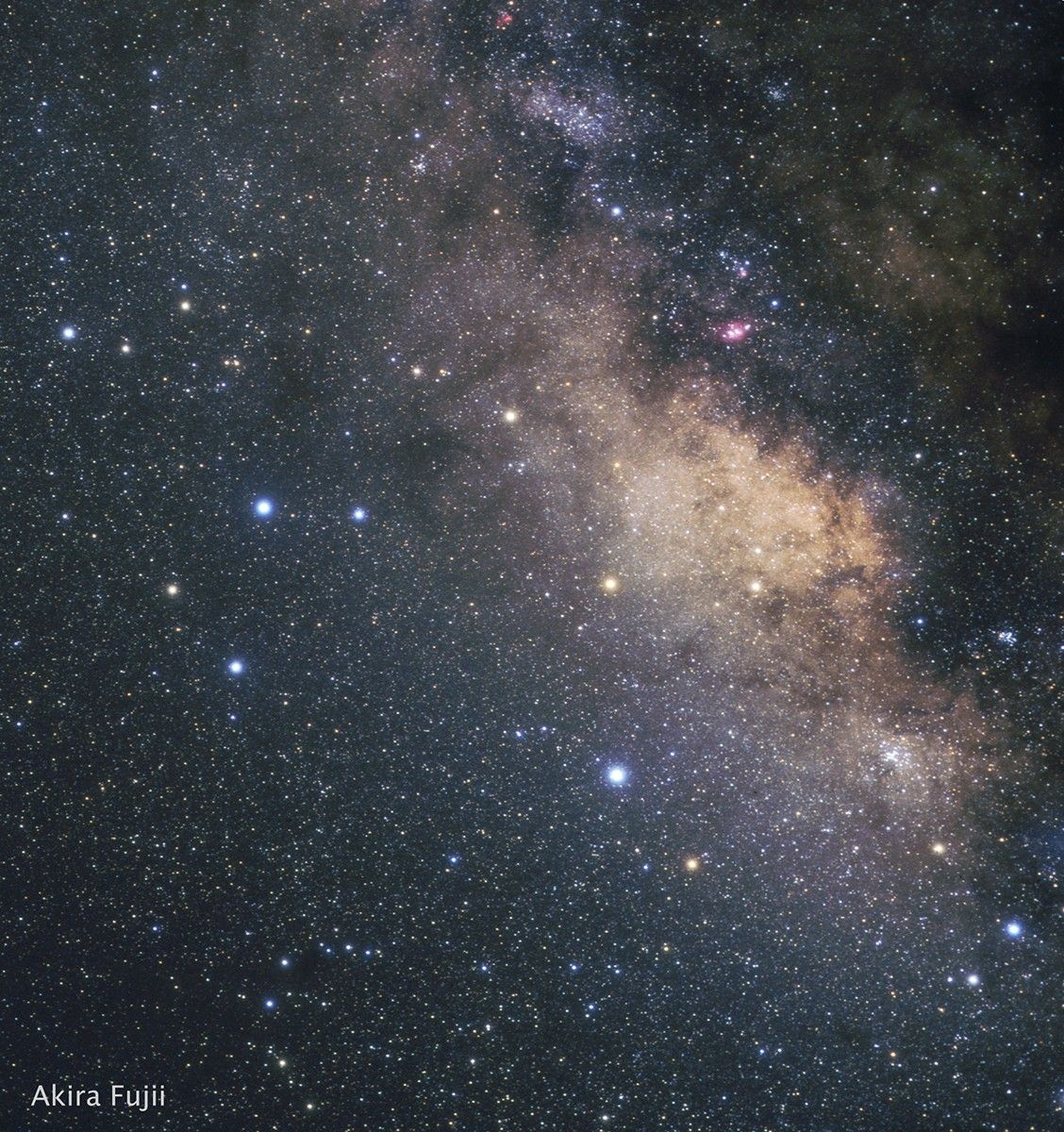
“It is important to observe the Milky Way’s bulge because it is the only bulge we can study in detail,” said Annalisa Calamida of the Space Telescope Science Institute in Baltimore, Maryland, lead author of the paper. “You can see bulges in distant galaxies, but you cannot resolve the very faint stars, such as the white dwarfs. The Milky Way’s bulge includes almost a quarter of the galaxy’s stellar mass. Characterizing the properties of the bulge stars can then provide important information to understanding the formation of the entire Milky Way galaxy and that of similar, more distant galaxies.”
The Hubble survey also detected slightly more low-mass stars in the bulge compared to the galaxy’s disk population, suggesting potential differences in star-formation mechanisms between the two regions. “This result suggests that the environment in the bulge may have been different than the one in the disk, resulting in a different star-formation mechanism,” Calamida said.
The research team analyzed Hubble images of the same field of 240,000 stars, captured 10 years apart in 2004 and again between 2011 and 2013. The long time span enabled precise measurements of stellar motion, allowing astronomers to distinguish 70,000 bulge stars from foreground disk stars. White dwarfs were then identified by analyzing their colors and comparing them with theoretical models; the extremely hot remnants appear bluer relative to sun-like stars.
White dwarfs are small and extremely dense, roughly the size of Earth but 200,000 times denser. A teaspoon of white dwarf material weighs approximately 15 tons. Their faintness makes them challenging to detect, comparable to looking for a pocket flashlight on the lunar surface.
The observations were conducted as part of the Sagittarius Window Eclipsing Extrasolar Planet Search field, located 26,000 light-years away. The unusually dust-free location provided a clear view into the central bulge region.
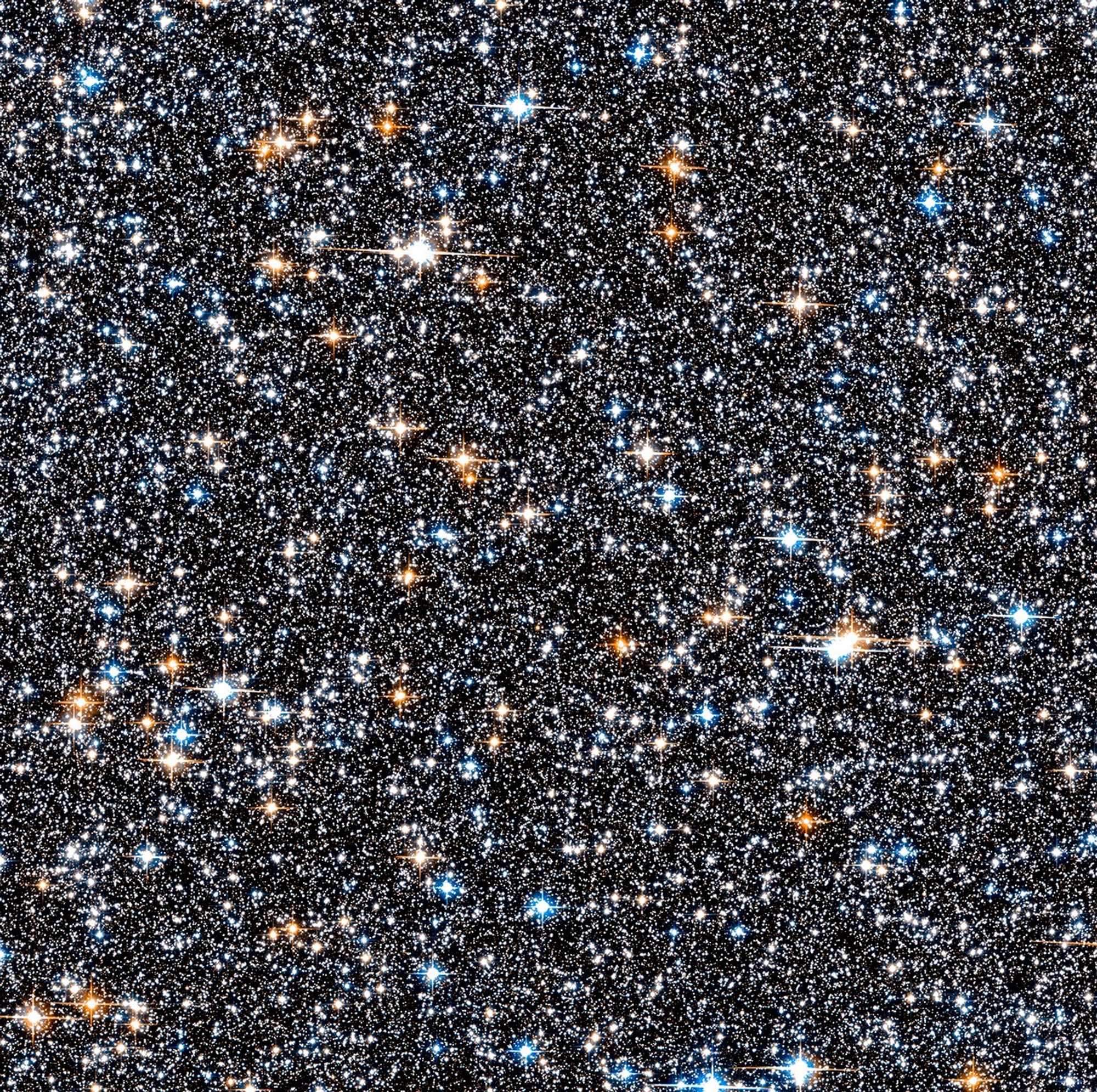
“Comparing the positions of the stars from now and 10 years ago we were able to measure accurate motions of the stars,” said Kailash Sahu of STScI, the study’s leader. “The motions allowed us to tell if they were disk stars, bulge stars, or halo stars.”
Based on the 70 white dwarfs identified in this small section of the bulge, the team estimates that approximately 100,000 white dwarfs exist within the same Hubble field of view. Sahu noted that future observatories such as NASA’s James Webb Space Telescope will be able to detect fainter stars that current telescopes cannot resolve.
The team plans to expand its sample by analyzing other portions of the SWEEPS field to refine the age estimate of the galactic bulge and determine whether star formation processes billions of years ago differed from those observed in the younger disk. A companion paper related to this research appeared in The Astrophysical Journal in 2014.
Hubble data for this release were obtained from the following HST proposals: 9750: PI: K. Sahu (STScI), R. Gilliland (Pennsylvania State University), H. Bond (STScI/Pennsylvania State University), T. Brown (University of Colorado), S. Casertano and M. Livio (STScI), D. Minniti (Pontificia Universidad Católica de Chile), N. Panagia (STScI), A. Renzini (Osservatorio Astronomico di Padova, Italy), R. Rich (UCLA), and M. Zoccali (Pontificia Universidad Católica de Chile); and proposal; 12586: PI: K. Sahu (STScI), H. Bond (STScI/Pennsylvania State University), T. Brown, H. Ferguson, J. Anderson, and S. Casertano (STScI), M. Dominik (University of St. Andrews), A. Udalski (Warsaw University), M. Livio (STScI), Y. Perrott (University of Cambridge), M. Albrow (University of Canterbury), P. Yock (University of Auckland), C. Fryer (Los Alamos National Laboratory), S. Mao (Manchester University), and I. Bond (Massey University). The international team of astronomers in this study includes: A. Calamida, K. Sahu, S. Casertano, and J. Anderson (STScI), S. Cassisi (INAF – Osservatorio Astronomico di Teramo, Italy), M. Gennaro, M. Cignoni, T. Brown, N. Kains, H. Ferguson, and M. Livio (STScI), H. Bond (STScI/Pennsylvania State University), R. Buonanno (INAF – Osservatorio Astronomico di Teramo, Italy, and Università di Roma Tor Vergata, Roma, Italy), W. Clarkson (University of Michigan, Dearborn), I. Ferraro (INAF – Osservatorio Astronomico di Teramo, Italy), A. Pietrinferni (INAF – Osservatorio Astronomico di Roma, Italy), M. Salaris (Astrophysics Research Institute/Liverpool John Moores University), and J. Valenti and J. Sokol (STScI).
About the Author