Integrated analog program combining HERA and CHAPEA habitats will study crew performance under isolated conditions
NASA has begun recruiting research participants for its next simulated deep space mission, a yearlong analog experience designed to replicate conditions expected during crewed operations on the Moon and Mars. The mission is scheduled to begin no earlier than August 2027 at the agency’s Johnson Space Center in Houston.
The program, called the Moon and Mars Exploration Analog, merges elements of NASA’s existing HERA (Human Exploration Research Analog) and CHAPEA (Crew Health and Performance Exploration Analog) missions into a single integrated effort. The streamlined approach is intended to help researchers evaluate how astronauts adapt across a broader range of mission scenarios, from transit to surface operations.
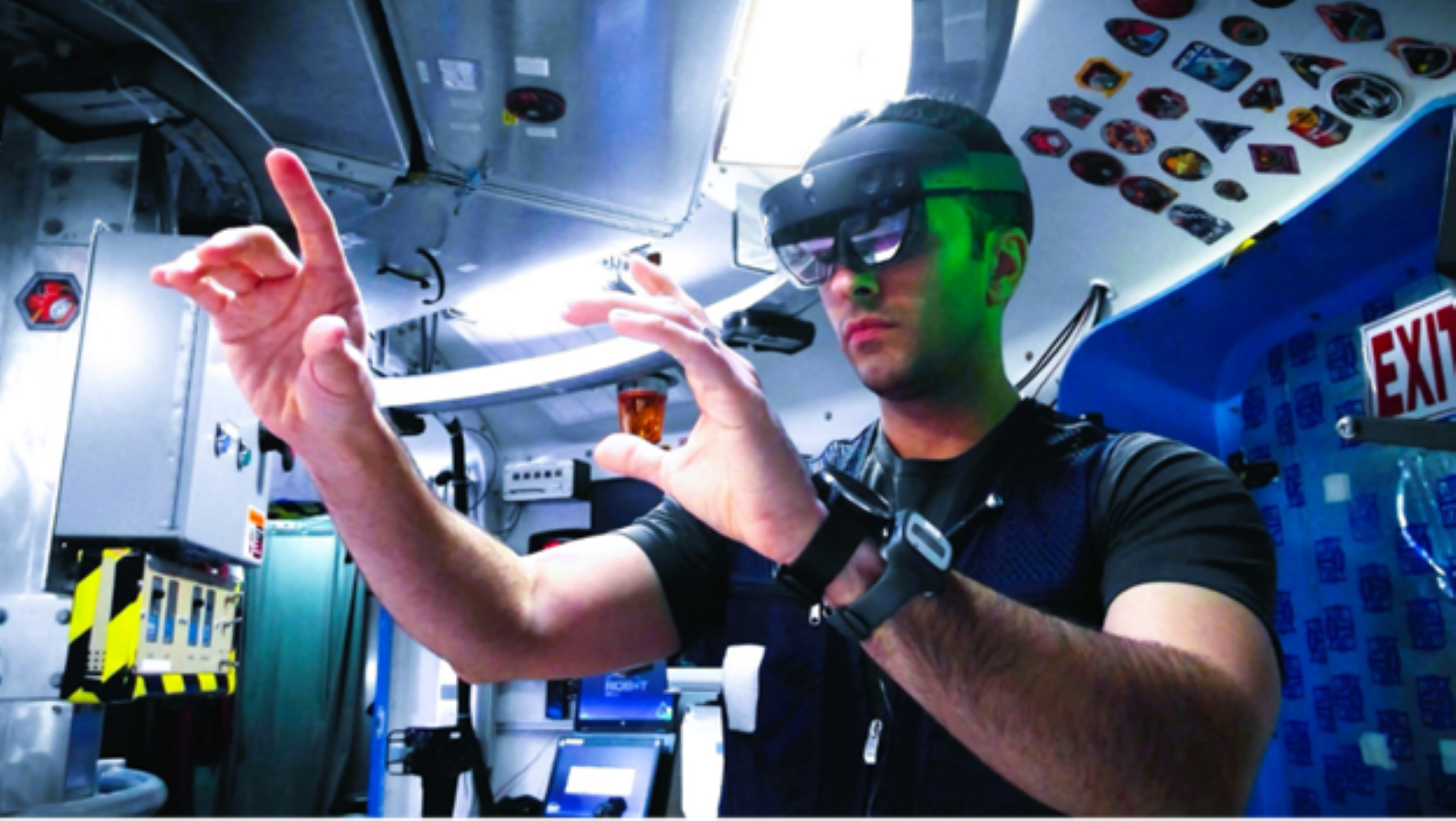
Volunteers will live and work in two confined habitats — the HERA habitat serving as a spacecraft simulator and the CHAPEA habitat functioning as a base. Over the course of approximately one year, participants will operate under isolated conditions simulating months-long flights to and from other planetary bodies. They will also mimic surface operations, including mock extravehicular activities and rover excursions to exploration sites beyond the main habitat.
NASA officials stated that insights from the mission could inform plans for a sustained lunar presence through the agency’s Moon Base initiative and future Artemis missions. The analog also aims to validate hardware, technologies, protocols, and systems designed to support crew health and performance on long-duration deep space missions, all without leaving Earth.
Applicants must meet specific physical and education requirements, submit to a multi-day selection process, and pass NASA’s physical and psychological assessments. Candidates should demonstrate a strong interest in contributing to extended lunar surface operations and future crewed missions to Mars, according to the agency’s recruitment materials.
Throughout the simulation, researchers will study crew health and performance under resource limitations and mission demands. The effort will provide data for NASA’s Human Research Program, which develops methods to keep astronauts healthy and mission-ready during extended spaceflight.
Interested individuals can apply through the NASA Analogs Recruiting website. The agency noted that the mission supports its broader exploration strategy of sending astronauts on increasingly difficult missions to the Moon for scientific discovery and economic benefits, while building toward the first crewed missions to Mars.
About the Author