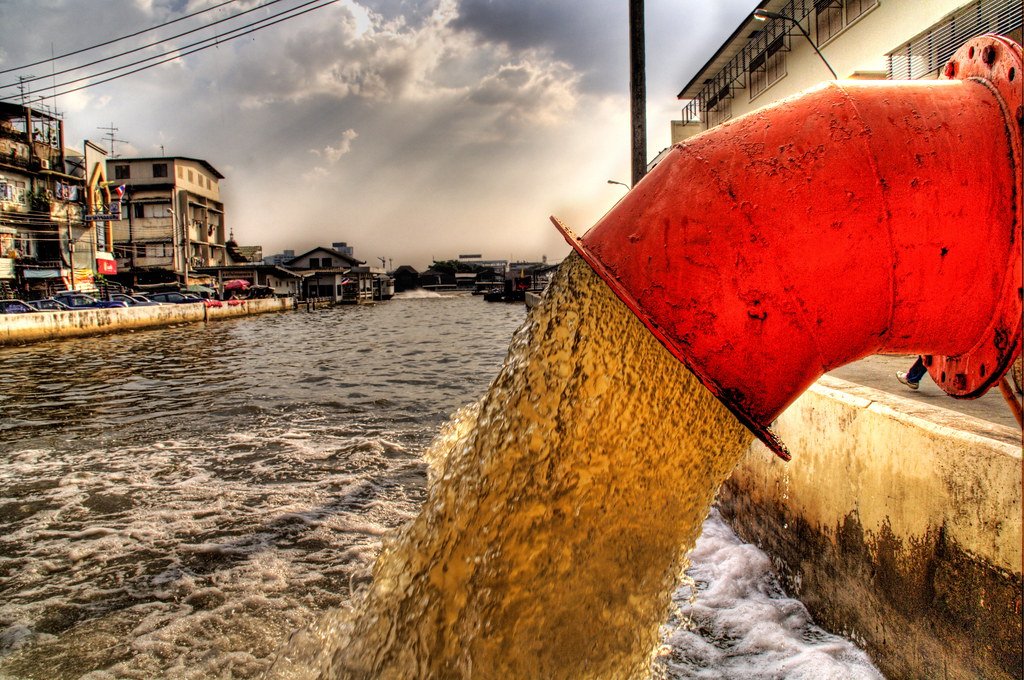
WASHINGTON — Attorneys are investigating potential class action litigation against DC Water after a 72-inch wastewater pipe collapsed in January, spilling an estimated 243 million gallons of raw sewage into the Potomac River — and lawyers allege the utility company was aware of the pipe’s deteriorating condition for more than a decade before the catastrophic failure.
The Potomac Interceptor, a major sewage line operated by DC Water, collapsed on January 19, 2026, along the Clara Barton Parkway in Montgomery County, Maryland, near the C&O Canal National Historical Park. The breach sent hundreds of millions of gallons of untreated wastewater into the Potomac, contaminating the waterway and devastating riverside businesses and properties.
DC Water estimated that approximately 194 million gallons overflowed within the first five days alone. By February 6, the utility’s estimate had risen to 243 million gallons of raw sewage discharged into the river.
While the company installed a temporary bypass pump system on January 24 that reduced the overflow, it did not completely stop the discharge. Full rehabilitation and repair of the pipe began March 3, with an expected timeline of nine to ten months.
Attorneys working with ClassAction.org are now examining whether DC Water operated negligently in failing to prevent or adequately remediate the disaster. According to investigations, between 2011 and 2015, DC Water conducted a comprehensive inspection of the Potomac Interceptor and reported that “the majority of the pipe segments show signs of corrosion, and some show settled deposits.”
Although the company announced a 10-year, $625 million rehabilitation and repair plan following the conclusion of that inspection in late 2015, attorneys allege DC Water continued to operate the damaged segments without additional monitoring, interim reinforcement, or pre-staged emergency and failure-response measures.
Following the sewage spill, public health advisories were issued by D.C., Maryland and Virginia, warning against contact with the Potomac and its shorelines and advising against catching or eating fish or shellfish due to unsafe levels of E. coli bacteria in the water. The shellfish harvesting closure was not lifted until March 10, 2026.
The contamination devastated river recreation and shellfish businesses in the polluted zone, forcing closures for well over a month. Even after advisories were lifted, businesses reported severely reduced revenues due to lingering public concern about water safety.
Robert T. Brown, head of the Maryland Watermen’s Association, told WTOP News that the Potomac Interceptor collapse “has devastated our market.” Brown explained that consumers “don’t want no oysters coming out of the Potomac because they are afraid of what it may be,” even when oysters are harvested dozens or even a hundred miles downstream.
“Once you put it in a person’s head that something may not be safe to eat, it’s hard to overcome that,” Brown said.
Personal property along the river also sustained damage from the sewage spill, including contamination of boats and other vessels, as well as potentially diminished property value of nearby buildings. A successful class action lawsuit could help compensate affected property owners and businesses for contamination damage, out-of-pocket cleaning and repair costs, and business interruption losses.
About the Author